Our film, is based on a real life story which involves a 'revenge rape'. In our adaptation of the article the story involves the two girls, Jordan and Chelsea, being best friends after growing up together on an estate. This friendship is tested when the girls both start to spread rumours about one another after an incident occurs where their trust is broken. This leads to Jordan wanting to get revenge on Chelsea, in the form of sexual assault, which is carried out by Michael - Jordan's brother (the antagonist). This is only a flashback at the beginning of the film-the entire film then develops into a story about Chelsea's life and how she copes with being a young mother, as she never aborted the baby; how will she afford baby food and all the items needed to properly care for a child? It also shows aspects of how Jordan deals with being the babies auntie, causing tension between them. Michael's been put into jail and struggles to have an input in the child's life, the film will focus on his struggles and fight to have rights to see the child-he wants to be an amazing dad but is stopped by laws of justice. It is a linear omniscient narrative as the film will show the point of views of the three different characters and switch between these all the time to keep the audience interested.
News Story on 'Mail Online' (Girl-Aliyah Weekes)
Our opening sequence will revolve around how Chelsea got in this situation (the flashback of the film). The two minutes involve the rape and introduce the three main characters. It begins with Jordan and Chelsea arguing about the rumours and they get into a heated conversation, where the line 'snitches get stitches' is exchanged. Followed by lots of mid shots/close ups that include texts exchanged talking about their verbal fight. It then blacks out and the audience see Michael dragging Chelsea off to a public bathroom. The shot then goes to a door, from which you can hear screaming but it isn't clear who it is. This is followed by Michael walking out and putting his hood up, revealing to the audience that he carried out the 'revenge' rape, this will also create enigma between this shot and the next shot as the audience will want to know who's been raped. The last shot is off Chelsea sliding down the bathroom door in tears. The themes that will be present in this opening are; sexual abuse, friendship, revenge and violence. We do not believe that this will give away too much of our story as this is not the main story-this is purely a flashback in Chelsea's mind whilst she is in court as the actual film follows on from this to Chelsea, Jordan and Michael in court-the entire story is about the struggles of a single, young, pregnant mother and a father who is in jail. So, the opening sequence purely sets this up. In terms of mise-en-scene, it will be set in a very urban location, such as an estate/alleyway. It will also include props such as BlackBerry's and hoodies as these are props and costumes which are associated with the teenage years, also this costume is associated with the regional location of the characters.
Possible location-public bathrooms where Chelsea is raped
Phones which will be used-as blackberries are not very expensive they are suitable for the characters as they are not rich and live in estates connoting elements of poverty.
The conventions of BSR we will use are super imposed graphics, as these allow the audience to view the image as well as reading the titles. Also it connotes how the actors aren't very famous as they would usually have a full screen graphic, like in Hollywood films. Engaging music - This will help to create excitement as it's a smash mouth opening, so the fast pace of the music will match to the pace of the editing and dialogue. Our opening will also include minimal dialogue as it will only include the two girls arguing and then there will be shots of texts exchanging and then the rape. We got the idea of having a smash mouth opening from the film 'London to Brighton'. The opening will also introduce setting as we will have establishing shots of urban locations such as estates, alleyways and parks. This will also set up to introduce the characters and their regional identity.
To put all of our ideas together for the film, we made a Narrative diagram that included the; Exposition, Agents of change, Conflict, Elaboration, Climax and Resolution and also the Coda. This diagram helped us to plan our opening sequence as we knew what we had to represent in the opening the related to our film. We needed to get across the characters, locations and the themes.
Target Audience
Our target audience is people aged from 16-24, which is in the same age bracket as our characters. This allows the audience to relate to the characters through the uses and gratifications of personal identity. The gender of our audience is both male and female and this is also represented through the characters as they are of a mixed gender. The interests of our target audience will be mainly socialising via online social networking sites such as Twitter, Facebook and BBM. We believe people with these interests will enjoy our film as it plays a big part in the storyline-it is how the rumours are initially spread. We think that the target audience also have other media consumption such as listening to Capital Xtra as this includes urban underground music-we will try to include this music into our opening sequence to interest them. TV shows our target audience would usually watch consist of shows like Waterloo Road, Geordie Shore and many reality shows-we believe this is because they enjoy watching people of their age in crazy situations with a lot of drama; our film also does both of these.
The audience we are aiming to target our film towards would usually download their music illegally online such as YouTube converter-this is because they cannot afford to buy every song that they enjoy listening to-it would simply cost too much-the characters in our film are going through problems related to money so we think this would be relevant to the audience (personal identity from Uses and Gratifications Theory). The class of our audience will mainly be teenagers from working class families and possibly under class-this is because the storyline looks at the idea of being homeless and poor so the audience will be able to relate in some way to the characters. The narrative will appeal to our target audience as the narrative includes the girl becoming pregnant and this is a growing issue in the UK-the video below shows an episode from a TV series 'Underage & Pregnant'; this looks at the lives of young girls who have became mothers and discovers how they dealt with the new responsibility. This is linked to '4Walls' as Chelsea becomes a young mum and struggles with the new role. Our film is also linked to this video as both Chelsea and Becca (girl from clip) share the same regional identity-this creates a representation of British girls which suggests pregnancy is a common problem.
Our film will appeal to the audience of 16-24 year olds as the themes of sexual abuse, revenge, friendship and violence are themes which are commonly seen in many of the tv shows they watch for example Waterloo Road shows many of these similar themes such as friendship and revenge; there have also been stories in this tv show related to sexual abuse. Our film is also a very dramatic text which involves a lot of confrontation and conflicts and other shows they watch such as Geordie Shore and Towie include this similar level of drama.
Violence
'4Walls' has a very unique selling point as most BSR focuses on purely how the characters got into their bad situations whereas we feel our film develops the stories of each character further by looking at how they deal with these situations in depth-we focus on not only Chelsea and Michael but continue to explore how Jordan deals with the label 'auntie'; we chose to do this as it will show many people the possible consequences of their actions and we also think it would be an interesting area to explore. Another unique selling point we have is that our film is based on a real life story-this is interesting as the story itself seems very dramatic and seems surreal; the news report of the real life event has not yet been fully completed so we used this story and expanded on it. This is effective so it doesn't relate too strongly to the news report and still has a creative element. The news story is simply the beginning of our film. We have conducted some primary research into the idea we wish to explore by asking two people of different genders what they think of our idea and thankfully we received a lot of positive feedback-they believed our ideas were realistic but would be interesting to watch. The YouTube clip below show the primary research we found.
Title
'4Walls' is our title as it connotes the characters situations. Chelsea's main struggle involves finding a place to stay each night where her and her child can remain safe whereas Michael faces the daily reality of prison life and being trapped in four walls without the privilege of seeing his child grow up. This connotes the main theme of struggle as it represents their main issues and is enigmatic-what are the four walls? The title is conventional of the BSR genre as it is short and easy to remember-as it is only two syllables it is memorable. We believe it will appeal to our target audience as the 'four' will be numerically shown instead of using words-this relates to texting and the digital age of the characters which also happens to be the same age of our audience; this brings in the element of personal identity. We got our inspiration of a short syllable title from 'sket', 'adulthood', 'shifty' and 'ill manors'-these words are also very simple and easy to understand which is important considering our target audience of teenagers. We believe it also reflects the characters in the film as they are not well-educated and it connotes their social class. The title also only has a weak link towards the story but has a strong link to the situation which the characters are in-this is important so it doesn't give too much away. In our opening sequence the idea of finding a place to live each night and being in prison is not explored however the title foreshadows this.
Technology
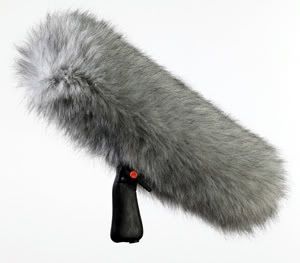
The technology we will use is the standard camera equipment that we are given to at school. This includes a camera, tripod and a dolly. The tripod will be useful as it will allow us to create smooth shots and pans which would be useful for establishing shots. The tripod is commonly used in BSR to follow a character smoothly with a pan as it makes the audience believe they are there in the scene and makes them feel closer to the actors. The dolly would be useful for tracking shots and would allow us to follow the characters for longer distances such as through parks and corridors in school. It would be interesting to use other equipment such as a mic blimp as it enhances the audio which would increase the verisimilitude of our work-it would also be useful as when we want to film outside the mic blimp will cut out the audio of the wind hitting against the mic which is usually picked up, however we do not have access to this equipment so to avoid hearing the wind in outdoor shots we will aim to choose days to film where there is still weather and possibly even only film inside where we know the surrounding sound is low so only the audio from the characters will be heard.
Mic-blimp, also known as 'dead cat'.
Representations
The key characters in our film are Chelsea - the protagonist, Jordan and Michael - the antagonist. Another non human antagonist could be poverty, as this is mainly what stops Chelsea from having a home, a place to raise her child. Rape could also be considered as an antagonist as this is the reason why the three characters all in their current positions. The typical archetypes of BSR that are shown in our film are; Chelsea who represents 'the lost boy' as she was on the right path in her life to getting an education and career but lost her way and is now going downhill into a life she never expected. Jordan is the archetype 'Weak but aggressive man' as she is the main cause of conflict in the film-if she had not planned the revenge rape none of the situations would have occurred; she is also very intimidating and bullies the protagonist (Chelsea) when really she is not of any higher status compared to Chelsea. Michael would be 'the follower' as he has purely done what he has been told to do by Jordan-he didn't question her, we have developed on this archetype as usually 'the follower' is not a main character but in our story Michael is one of the two main characters whom the story revolves around.
Our film subverts to the typical representations of young people; they are violent, they don't think of the consequences and they are irresponsible. These representations are displayed as Jordan slaps Chelsea and has a very terrible revenge plan. Michael didn't think of the consequences of the revenge rape which has led him to several years in jail and having no contact with his child. All of this is very irresponsible as a whole. We feel we had to subvert to some representations as they fit the BSR genre well and some people may even feel as though they are able to relate. Another representation we have explored is that deprived people who live on estates cause issues and problems to society-as the three main characters live in an estate they have caused many problems such as being put into jail, harassing the residents for a place to stay and more.
Images of the actors who we may use are below:
Michael
Jordan
Chelsea
Conventions
The conventions of BSR Mise en scene we will use are; natural lighting, real locations, dull colour palate, simple empty sets, untrained performance and working class locations. We will use natural lighting, as it helps to create a real atmosphere for the audience, it fits in with the realness of BSR. If we were to use huge lights during scenes in flat bedrooms it would look very unrealistic as usually the bedrooms have small windows from which views are restricted and do not allow plenty of light through. Real locations is a typical BSR convention as they don't film on sets, again they want it to look as real as possible. We already have a few locations in mind, such as the alleyway near one of our houses and also a park that's not too far. The real locations will help to connote the seriousness of the our story as if it was done on a set, it looks fake, so they would believe that the story is fake. Where as because we're using a real location and a real story, it makes them believe it more. Also BSR tends to use real locations as planning sets increases the costs which we do not have as we have no budget. A dull colour palate will be very important to use to display the misery the characters are going through within the film, it also creates a sense of realism as Hollywood films make everything extremely bright to enhance the positive mood. The colour palate will consist of a blue/grey overtone over the filming to make the mood slightly negative as something bad is always due to happen. Some people may think this would take away from the realism aspect but it will only be done slightly so it is almost unnoticeable.We have chosen to film in simple, empty sets as this is realistic for the social class we are aiming to film around-as they are poor and struggling with money their homes will not have many possessions and the empty locations will emphasize how desperate they are and how they do not own many luxuries. These sets will also be easy to find and film in as we live in a very urban area so finding deserted locations would be a simple task. We have chosen to have untrained performers for our work as we have no budget to employ professional actors-most BSR films are filmed with untrained actors also because of the same reason. However we do not feel that this will affect the quality of our work-we think it will increase the quality as the actors will resemble real life people, hollywood actors look very fake and have had a lot of makeup artists etc to aid their appearance. Also the acting will be mainly improvised which will mean that it will add to the realism aspect and as our chosen actors live in the areas we are filming in and are of the working class we think that they will be able to relate to the characters they are playing and therefore be very realistic in persuading the audience that the story is real. We have also chosen to have working class locations as this will be simple for because we live in London-we are able to access places such as estates, schools and there are many alleyways close to where we live, these locations relate to the working class groups as they are not fancy and look like they have actually been 'lived in' which will also add to the realism aspect.
the alleyway where we are thinking of filming.
The type of flats that the characters would live in.
The camera conventions we are going to include will be; slow pans, tracking shots, medium/close ups of main characters, loose framing and jerky camera movements. We will include some slow pans in our opening sequence as establishing shots of the area, these wide shots are useful as they display to the audience the regional identity of the film and will allow them to see the poverty in which the characters are living in, the slow pan could also be used throughout the film to reveal something slowly to the audience-as it slowly pans across it will create enigma and excitement. The tracking shots are important as they will invade the personal privacy of each character and allow the audience to feel more involved in the film, they are also useful in BSR as they look more realistic as the audience gets to travel everywhere the actors go which works well as BSR is filmed on real locations instead of sets-it also helps with the omniscient narrative. The medium shots and close ups of the characters is useful as this will allow the audience to look at their facial expressions and how they are feeling at the moment in time, I think some extreme close ups would also be useful in times of extreme emotion-for example when Chelsea finds out that she is pregnant I think a closeup of her trembling hands would be effective. The close ups and mid shots will also display who the main characters are as usually the other characters do not get many close ups as they are not the main focus. We would like to have some loose framing on our work as it would add to the BSR genre effect-not completely complying to the rule of thirds is typically seen in the BSR genre as it adds to the edgy feel of the film and the realism-not everything is perfect and exact in real life. Also not framing the characters completely in the centre of each shot will help us in achieving this look. Jerky camera movements will also be important as they will create that edgy feel yet again and add to the realism as they will look like the audience is just a person at the scene observing-if the camera is constantly smooth it appears very fake and unrealistic for the audience. All of these camera conventions are especially seen in 'Fish Tank' an example of the loose framing of the main girl is displayed in the mid-shot of her below; she is not placed in the centre of the screen and the rule of thirds has only been loosely followed, the trailer of the film is also shown below as the camera techniques used in the trailer relate to the BSR genre and some of the conventions we aim to achieve in our opening sequence. At 0:08 there has been some loose framing as we cannot see the woman behind the door but I believe that this was not done to create enigma but to show that it is a BSR film and to add to the rough edges of the film. From 0:20 to 0:24 the camera looks like it has been handheld apart from one very quick shot between these times, and the jerky movements add to the rough aspect of the genre, it also allows the audience to become closer to the characters as it feels as if they are actually there with them. The close up of the main actress at 1:46 displays how she is the main focus and there are many other close ups and mid shots of her throughout the trailer such as at 0:18. 0:29 and 1:02. These are important as it also displays how she has the most screen time so the audience is immediately interested in her as a character and enigma is created around her.
The editing conventions that we will use in our film will be; long takes, simple editing, infrequent SFX's, slow pace and music to enhance editing pace. We will use long takes as when we get to post production is will be much easier to edit-if we have at least 5 seconds either side it will allow us to cut a little later to add to the realism aspect and I think this will also create the slow pace required in BSR. It will also be good to film longer than planned as we are using untrained actors they may do something which looks really good accidentally-and if we catch this on film then we would be able to use it in our opening sequence. The simple editing will be important as it is common in the genre of British Social Realism-this is because it simply gets to the point without being fancy and that is what the genre is all about, it will be direct and fades etc will not look realistic. I think we will only use one fade in our opening sequence when we change from the establishing shots to the actual characters to display a location change. Simple editing is used in BSR as it allows all the shots to flow. Infrequent SFX's are important as they can be seen as very unrealistic-in films such as action films or adventure films they are widely used but if used in BSR they could take away from the realism aspect as usually in real life you wouldn't hear sounds like these. However, if we were to use any sound effects which were not caught whilst filming we would use foley sound effects as they are the most realistic, they would be useful as they create the same sounds which would normally be heard but during post production and may be created with different objects to the sound itself. The editing convention of having a slow pace will also be important as BSR storylines are usually about working class normal people going through a struggle which is not as exciting as an action movie for example-because of this a slow pace is required to fit in with the story line, of course at times when there is chaos the pace of editing should increase but most of the time there will be a slow pace with long takes and instead of cuts many pans will be used to increase the length of each take and to avoid cuts which would increase the pace. I think that this is important especially at the beginning of the film to slowly reel the audience into the film. The music will also increase in speed and become upbeat when the correct situations in the film come along-for example during the climax.
Our film will not be a hybrid as we want to keep it as a pure BSR because we feel we have all the relevant themes and character archetypes for this genre, other genres such as action, romance and comedy will not fit into our idea and none of their elements play a role in our story line enough to make it a hybrid film. A hybrid BSR film is 'Attack the Block' which is a hybrid film of sci-fi and BSR, we liked this film as it was very interesting and unique but we will avoid hybrid as we want to focus on the hardship and struggles of a pure BSR.
Style and Iconography
Using the correct camera techniques in BSR is very important as they help to unravel the story and plot. For example, if we were to use a pan for our establishing shot, it would reveal the whole location to the audience connoting the regional identity-this could be personal identity from the uses and gratifications as the audience will be able to relate to the region. In an estate most of the buildings look the same, so by showing all the buildings with a pan, it emphasises that the characters in our film are all stuck in their ordinary, struggling lives and nothing changes and nobody is superior to anyone else. The similar buildings also empahsise the repetitive element of their lives-every morning they wake up and go into the same routine everyday-which is common in BSR. There's nothing important about them, they're all the same to other people; they're just people who cause trouble. Another technique we will use is a tilt. When Michael comes out of the bathroom after raping Chelsea, first there will be a normal long shot that denotes a boy walking with his hood up. The shot will then start at the character's feet (create enigma) and tilt up to reveal that the boy was Michael-which will shock the audience. The effect it creates for the audience is that it slowly reveals who raped the girl in the bathroom. It creates suspense and mystery before you actually see his face. Close ups can also be used for effect; one example of where we may use this is in the scene of Chelsea sliding down the bathroom door in the opening sequence. We could have a close up of her hands trying to cover herself as she feels very disturbed and insecure about what has just happened. This creates an effect for the audience as you don't see her face in the shot, you just see how she feels about what has happened and the extreme use of a close up will strongly highlight this.
The gif below is from our work called 'The Encounter'. The gif denotes a tilt as it starts from the girls knees and the camera tilts up towards her face. We want to do something like this when revealing it was Michael, but more serious as this piece of work was meant to be comedic. He would just be walking straight and the camera would reveal him with his hood up, of course the lighting of the shot would also be different as here we have artificial lighting which would not be the case as we want to create a moody scene with low key lighting; this will also represent his character as dark and mysterious.
In regards to editing, we will mainly use normal cuts for transitions, as that keeps in the with aspect of reality; we may even use some cross cuts to switch from different views of perspective. One point where we could have a fade is when it goes from the establishing shot of the estate to the characters. We will use a fade then as it gives a link between the two shots, it connotes how the characters live in that type of area, which allows the audience to make their presumptions of the characters. In the gif below, again from our project 'The Ecounter', denoted is an establishing shot with a pan that shows the office of the characters, it then transitions to the next shot through a fade. This is the type of editing we would like to do in our opening sequence as it will help to show the audience that these characters are at that location; it allows the opening to make sense.
Costumes and props will be important in our film, as it provides a visual aid about the personality of the characters. We want our characters to come across as real life people that are struggling which will be done through our use of props and costumes. For props, they will have BlackBerry's where the messages will be exchanged via BBM or whatapp. These are free social networking messaging apps which we will use as they are used by the younger generation and as they are free it will connote their social class. Most of drama happens on these broadcasting apps and rumours in real life are also spread via these apps so it is relevant and realistic. Costume wise, the characters won't be wearing very fancy and expensive clothes which are branded, as we want them to represent the under and working class. They will be wearing jogging bottoms, hoodies, body warmers and trainers, which will all be dark colours to represent the struggle they're going through; these colours will also represent the mood of the film. Their clothing won't be bright colours as this would connote themes of happiness and this is not the case, dark hoodies are also associated with gangs and crime. If you look at my previous blog post where I discussed the mise-en-scene of Sket, the types of costumes and props they have in there are the ones we want to replicate as I thought it was a very good film in terms of how it showed the harsh reality of teenagers lives. The costumes and props especially helped connote the characters personalities as they all looked quite rough.
Possible costume-dark hoodies
The type of costume our characters would wear.
In our opening sequence, we will have music of the grime/rap genre. Although this is non-diegetic sound it will be relevant as it connotes the genre, and many teenagers listen to this genre of music so it will interest the audience. This music is generally quite urban sounding as most people that listen to this type of music, live in urban areas such as Croydon or Hackney. We believe that the music helps the audience to establish what kind of location the characters are in and their personalities. If the music was of the pop genre, the characters are likely to be quite bubbly and energetic and if the music was classical you would associate the characters to be quite calm and intellectual. The type of artists from the grime/rap genre are; Skepta, Sneakbo, Devlin, JME and Ghetts.This song has many of the grime/rap artists called Game Over.
Skepta
The song below by Professor Green and Maverick Sabre, is the type of song that we would like to have in the background of our opening sequence. In the song Professor Green even says 'Welcome to Hackney', connoting how these types of songs are relate with urban areas. I think this type of instrumental will suit with our opening as there will be establishing shots of flats and alleyways and also shots of teenagers in hoodies, who are the main consumers of this music. But we can't use music that has been copyrighted, so we will either have to make our own music or find it from a copyright free source. I think this type of music will effect the audience as it's the type of music that makes you aware of it as the beat is quite loud and a lot happens within in, is not a simple piano or guitar in the background; the upbeat music is also a convention in opening sequences as it will help to interest the audience.
Our opening will not contain any other non-diegetic sounds such as sound effects (SFX) as this will take away from the realism aspect of our work, so we will concentrate on diegetic sounds like dialogue to communicate the themes and storyline.
Institution
The production company in our brief is Film 4 Productions. A couple of weeks ago we had the task of researching the company and producing a fact file. The research can be found here (Paman Uppal) and here (Simran Bhatti). When researching we found that Film 4 Productions has an ethos; a set of morals that they follow when producing their films. Two ethos' that we think applies to our film is 'development of new British talent' and 'innovation in the British film industry.' All of the three actors in our film have never acted professionally before, but they all have the aspiration to become an actor/actress as they are very talented. This ties in with the ethos of 'developing new British talent', as someone could see our opening sequence and think the actors are very good and maybe want to get in contact with them to help them build a career. As they also have no acting experience this adds to the realism aspect as it will look less polished. Film 4 Productions also likes to leave people thinking with their films. Our film will do this as the topic of a pregnant teenager struggling to get by hasn't been in explored in the British Social Realism genre much; many BSR films are usually about peer pressure, gangs and crime; so it would leave people thinking as the film will show the harsh reality of her situation rather than the journey of her sorting her life out. It starts bad for her and will end bad for her. This could make the audience think twice about what they do in life and think about the consequences of things, especially for our target audience which is important as teenage pregnancy in the UK is a large problem.
This will affect the distribution of our film as Film 4 as well as producing films, also distributes them. From IMDB, we found that Film 4 has distributed quite a lot of films, nearly 60. They either distribute them worldwide on all media or just in the UK on the TV. As our film is a BSR film and will appeal and relate to the British public, it's likely that our film will only be distributed in the UK. Although we would like our film to be distributed in cinema's as well as it would give it more publicity; we think it would be suitable to be shown in cinema's like Vue at Romford and Ilford and the evenings would be a good time as it would probably be a 15 certificated film because of the sexual abuse and bad language.
As well as cinema's, we think our film would be exhibited on platforms on New Media Technology such as Netflix, Now TV, Amazon Prime and Blinkbox. It would exhibited here as our target audience is people aged from 16-24. This age range barely has any time to actually go out and watch films as they're either in school and doing a levels, at uni or have a full time job, also these ages do not have a lot of money to be watching many films in cinemas. So to have the film stream on these sites would make it more available for people who don't have the time to go all the way to their cinema, they can watch it from the comfort of their homes, which is becoming increasingly popular, especially with our target audience.
This blog post explores how British Social Realism has evolved over the last sixty years, below is a timeline I have made with all the key films of that time which I am going to analyse in this blog post and talk about the:
Themes and Situations
Characters
Locations and Setting
Sound (Music and Dialogue)
Camerawork/Editing
Other mise-en-scene (Lighting, Costumes, Props etc)
1950's
Look Back In Anger
Themes and Situations: From this scene in the movie I found three themes which were connoted several different ways. Aspiration and escape is a main theme in this movie as the main male character plays a trumpet with many other people; this is connoted from the beginning of the clip and as he goes back to a bare home it suggests that playing the trumpet is his escape from his mundane, normal working life, his concentrated and passionate expression whilst playing the instrument is denoted below which connotes he is desperate to escape from his boring life.
Characters: A character archetype which I denoted at 6:57 was 'The Lost Boy' who is shot next to a man using a mid-shot to capture both of their expressions. I connoted that this is his archetype because of his dialogue which told us he has been caught by a girl's mum with the girl; he is also the only teenage boy we seen and The Lost Boy stereotypically is a teenager and mischievous/lost his way.
The second archetype I spotted was 'The downtrodden woman'; currently in BSR films the downtrodden woman would be a lot more noticable but I think that this female character is her as the close up denotes a worried expression on her face which connotes that she is worried about either her partner or children which is typical for this archetype. She is also at home ironing which is a very feminine chore and suggests she is always at home doing the domestic work.
Locations and Setting: The film is obviously set in the 1950's as they have the old iron which is shown in the gif above, it is located mostly in a standard working class family house for the 1950's as not many people lived with luxuries in that time. The bedrooms are basic and their belongings are basic, the location has no expensive items and they hang the clothes and everything all in one room which could connote a theme of poverty. The whole film is based in England and this is connoted from their accents. The gif below also shows how their home is basic as they do not have curtains and I can denote a very basic dressing table which connotes that they are reasonably poor.
Sound (music and dialogue): There is no non-diegetic music throughout the whole scene but there is diegetic music at the start of music playing, (trumpets). The music sounds upbeat and happy and continues into another shot which is called a sound bridge. This happy music suggests that the film is not going to be sad which is unusual for a British Social Realism. I made the YouTube video below to show the happy music that is played at the beginning of the scene. I also think that the dialogue in this film is scripted as it does not seem very natural.
Camerawork/Editing: The camera work in this film uses a range of shots but I found that they did not cut to different shots a lot, I did not see a lot of shot reverse shot the camera would follow the actor for a while but there would be no editing.
Other mise-en-scene (lighting, costumes, props etc): From the sequence I can see that their clothing is very casual and basic, the men are wearing flannel shirts and smart trousers but they are not too smart and the woman is shown in a dressing gown, their clothing connotes that they are not of upper class as they are wearing normal, everyday working clothes. Also, I can denote that the male actor's shirt is not buttoned right to the top and he is not wearing his blazer, this connotes that he is not someone of high importance as he looks scruffy.
1960's
Poor Cow
Themes and Situations: I think that the main themes of this film are childhood and poverty. I chose childhood as a theme as the couple have a child and are bringing it up throughout the movie; I can denote from the midshot that the father is feeding the child from the image below and throughout they care for their child;this shows that there is a positive aspect to the film which is unusual for BSR as when childhood is a theme it is usually about the absence of a childhood; however another theme portrayed is poverty which could at a later stage affect the child. They live in a very built up area in England as this is shown as when they are on the ceilings the mass of all the houses around them is exposed and there are a huge amount; the shot of all the houses almost acts as an establishing shot to show the audience their location and how built up it is.
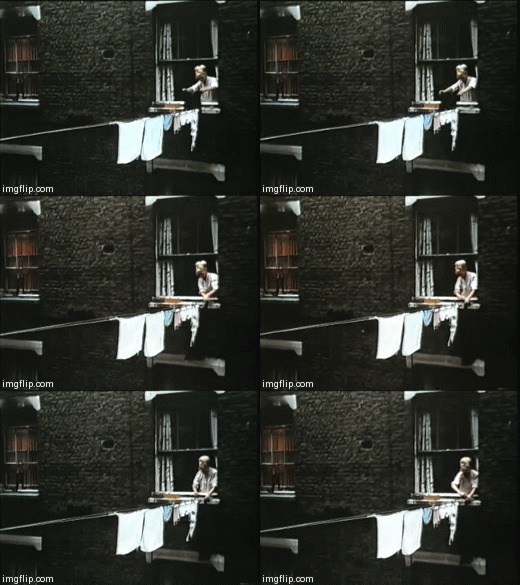
Characters: I only really noticed one strongly shown archetype in this section of the film-'The Female with a Conscience' who I believe is the mother of the child, as she is denoted at the end holding the child and calmly talking to her husband as she also hangs the washing outside; although she is seen doing woman's jobs this does not make her weak as she is not a failing mother as her child is happy and her relationship is fine too. She also looks happy as if she does not have any major problems; even though it is clear that they are not well off and that they are poor she does not break down and cry at any point in the sequence.
Locations and Setting: The location of the shots help to tell me that they are poor as their house is very bare and the rooms are basic;the last shot especially shows this, but the long shot where the mother is hanging the washing out is the most suitable location to connote their poverty; I can denote her hanging washing outside of the window on a string which was an old fashioned way for working class/under class people to dry their clothing as their homes were too small to hang clothing. I think that they did not film on a set and that they just used a basic building which normal working class people would have lived in during the 1960s. All of the houses together suggests that it is in urban England so the location could possibly be London.
Sound (music and dialogue): There is no dialogue throughout the whole sequence apart from at the end where the female partner tells her partner that his singing was good and he says its improving. His singing and guitar playing is what we hear throughout the whole sequence-here they have used a sound bridge. The sound of the music is quite dull and not very interesting and this represents what life is like for the actors; mundane and dragging on but with small sparks of positive emotion.
Camerawork/Editing: They have used many different types of shots throughout and keep on changing and using camera movements to keep the audience interested in the film. The use of close ups are made to show expression and at 1:02 of this link the close up of the male actor has been used to emphasize his happiness; there are not any dull or sad moments in the sequence but if there were any I think they would have been highlighted in the same way as it is very effective to portray to the audience the character's mood.
Other mise-en-scene (lighting, costumes, props etc): The lighting in this film is mostly natural lighting which I can connote from all of the scenes; this has been done to increase the 'realism' aspect of the genre. There are also minimal props in the bedrooms/house to connote to the audience that the family do not have many belongings which again relates to them being poor. Their costume is not very smart and they wear casual clothing; at 1:11 the long shot allows the audience to see their full costume and I can denote jeans and big baggy jumpers which connote that they are not people of high class who care about appearance and they wear whatever they can afford.
1970's
Bronco Bullfrog
Themes and Situations: The themes and situations which are explored within Bronco Bullfrog are: corruption of youth, violence and first love. The corruption of youth is denoted from a scene where two male characters break into a locked compartment and intend to steal what I think is something from the 'Phillips' brand. This is corruption of youth as it represents how the younger generation are rebelling.
The second theme that is being explored within this film is violence, there is a mid shot at 2:08 (on this link) where one teenager is pushed to the ground in a subway, this represents violence as there is a fight occurring, this is a common theme in BSR as this genre especially shows the grittyness of daily life and all of its hassles-including fights that happen between teenagers very commonly. The last theme is first love which I chose as there is a mid shot of two male teen actors at a woman's door asking if her daughter is at home, this connotes that he wishes to take her out on a date and this is one of the first acts which occur during young love-but as this is of the BSR genre he does not ask nicely and there is no kindness from anyone-not even the mother of the girl, this is shown in the screen grab below;
Characters: The main archetype that I can see from the sequence is 'The Lost Boy' as he is rebelling and going against the law, finding his first love and growing up into an adult which are all of the stereotypical aspects of this archetype. There is a long shot at 2:14 from which I can denote a group of kids kicking down a door-and I can denote 'The Lost Boy' at the front of the group of boys which connotes that he is the leader and main character in the film-this is what the archetype of the lost boy is usually represented as.
Locations and Settings: The location at 2:07 is a dirty urban subway which is a very typical location for BSR as it represents real life and nothing is hidden to improve the appearance of the location-it adds to the 'realism' of the film. The long shot of the subway is shown for a split section but this is vital to set the scene and allow the audience to see where the film is being set, I think the film is set in London as the subway and busy road with cars suggest. The olden cars also tell me that the film was set in the 1970's.
Sound (music and dialogue): There is an upbeat song playing throughout the clip which is a tune of happy non-diegetic music, this is peculiar for BSR as it usually looks at deprived and negative topics so you would not expect cheery music. When there is the rare piece of dialogue the non-diegetic music fades out. I also think that the dialogue is scripted as it seems very rehearsed, the language used is very clean and there are no curse or swear words from any of the characters. I also cannot hear any SFX.
Camerawork/Editing: The camera work in this Bronco Bullfrog is similar to the pieces before as it switches from shot to shot and these are also some camera movements-but again I also found that at times the camera was stationary for too long-for example when the mother answered the door the camera was stationary between 0:35 and 0:52. I think that some shot-reverse-shot or some closeups would have been useful to keep the audience more interested and able to see the two characters facial expression who had their backs to the camera. Below is the gif of this scene and as you can tell it runs for a very long period that it was even too long for a gif so I have only used part of it.
Other mise-en-scene (lighting, costumes, props etc): The costume in Bronco Bullfrog is often quite smart compared to what costume current BSR actors would wear, they are seen in clean clothes-sometimes even shirts; however in the 1970s people generally dressed a lot smarter than now so this could be the reason. Although they are dressed smart they do not appear to be rich so I think their dress sense purely connotes the era.
1890's
Rita, Sue and Bob Too
Themes and Situations: The themes I found in this piece were childhood, violence, poverty, broken relationships, parenthood, success and failure and racism. Racism is shown when the male character calls an asian guy a 'black bastard' which is racist as he is discriminating him because of his skin color. The closeup of the asian man's facial reaction connotes to the audience that he is used to racial abuse as he laughs to himself and says he can't help being a 'paki'.
Another theme which is explored is poverty as the teenage girl asks for money for baking class but they are unable to give her the money, this however is told to her in a very harsh way;they do not sugar coat it and the exact dialogue is "What f*****g cookery money? No you can't" and "If that teacher wants you to make f*****g buns tell her to give you the money!". This connotes that their poverty has reached such a stage where they don't bother to hide it from the children and it has become a huge problem to the extent that they cannot afford basic baking goods.
Characters: The main character which I think was clearly highlighted was the archetype of 'The Failing Man', he is shown as always drunk and abusive and everybody knows that he does nothing. In the clip he is also accused of always telling people what to do but not doing anything himself. He has no career and appears to be a mess as I can denote his messy clothes, messy hair and I can hear his slurred speech which connotes that he is a complete failure and has been like this for a long time as the people around him do not act very shocked towards his appearance or slurred speech. He is not even able to walk properly, this also shows the theme of alcohol abuse or addiction.
Locations and Setting: A common location for BSR films to be set are in estate's and run down flats, this is where most of the scene takes part from this clip (outside an estate). This represents how there is the theme of poverty and shows the hard life many people live in British Social Realism; the gritty urban areas also add to the realism aspect of the genre. This location has been shown at the start of the clip with the camera on a horizontal track following the characters walking around the outside of the estate. This has been done to show the audience the location and give them an idea of the type of people who may live here.
Sound (music and dialogue): During the credits there is non-diegtic music which sounds like quite a cheery song, with instruments such as guitars, the song sounds like it is from that era but once the credits are over the music fades out and there is no more non-diegetic music throughout. The absence of the music afterwards creates a realistic feel and makes the film more real as there is no fake music that the actors cannot hear. There are also no SFX. The dialogue is very abusive and there is a lot of swearing from almost all of the actors. Some of the speech is "Not till two'o'clock in the f*****g morning you haven't" and "I'll wrap this round your fucking neck". This abusive language and the swear words represent British people as people who swear a lot and makes the film much more stronger and upsetting-it emphasizes the situations the people are in.
Camerawork/Editing: The camerawork in 'Rita, Sue and Bob Too' switches from shots and uses a range of camera movements; this keeps the audience hooked and the camera is constantly changing shots, the close ups are used to emphasize facial expression for example the image below at 4:15 which is used to show the anger in the man's face.
Another shot type that is frequently used is a long shot, this is used to show the actors' full body as there is a lot of physical movement in these shots, this was used a lot when the motorbikes came and circled the group of people as there was a lot of movement, from this shot I can denote people hugging each other and screaming which connotes they are scared and panicked.
Other mise-en-scene (lighting, costumes, props etc): The lighting of most of this film is natural lighting and there is no artifical lighting, this helps the realism aspect of the film to become more realistic. Also, the costumes are very casual and some even grotty which is typical for characters in BSR. From the long shot below I can denote that the man's suit is too big, his buttons are un done and it looked grotty; this connotes that he is 'The Failed Man' archetype as his presentation represents a failed business man who no longer cares.
1990's
Trainspotting
This is the link for the scene from Trainspotting that I am going to be analyzing.
Themes and Situations: The main theme which I have seen from this clip of the BSR film is violence as there is a pub fight towards the end, this fight is triggered as a glass has fallen on a ladies head and caused it to bleed, the fight is emphasized by using a birds eye view shot to show just how many people are really involved. Also, the amount of people getting involved over one small situation represents British people as very violent people who are prepared to fight for small reasons.
Characters: I think that one strong character which is shown in the clip is 'The weak but aggressive man' who is also known as 'The Bully'; this archetype is the cause of conflict and the opposing force for which the audience has no sympathy, I think the bully is shown at 2:07 as he beats up an innocent nerdy stereotype looking guy in the pub for eating his crisps loudly;automatically the audience feel sorry for the nerd and the other guy becomes an antagonist, this low angle shot of him connotes that he has power and is strong too which makes the audience fear him.
Locations and Setting: There are two main locations in the part of the film I watched; a pub and a home. The pub is very typical for BSR as it involves alcohol and sometimes smoking which are habits many of the characters possess. Also the home looks scarce and as if it belongs to someone who is working class or even under class. The lack of expensive items in the home connote that the owner is not rich. Also I can denote many VHS tapes along the wall in the home which connote that the film is not modern and hints to me the time it was made. The pub is also old fashioned itself with the lights and the whole aurora of it which would be different nowadays. I think that both these locations were not filmed on a set as they look very realistic and BSR films try to film off a set to get a more realistic feel and because it is cheaper.
Sound (music and dialogue): This film uses sound very effectively in the short clip that I have watched, they have incorporated a voice over to speak over some moments which happened in the past; this creates mini flash backs when characters are telling stories and are very effective to keep thr audience hooked. There is also a lot of swearing in the dialogue which makes the text very harsh and hard hitting for some people. Lastly, I can hear some SFX during the last scene where the glasses are being thrown around and causing them to break, these sounds in an odd way add to the realism although they are fake as they imitate what people would hear if they were in the situation-but on set the sound probably wasn't loud enough.
Camerawork/Editing: The camera work is very interesting as the shots change frequently to keep it interesting and there are no transitions other than normal cut's in the editing to keep it simple and make it look realistic.
Other mise-en-scene (lighting, costumes, props etc): In the bedroom there is not much mise-en-scene which relates to the genre as the room is meant to look purposely scare because it is owned by people who do not have a lot of money, some props in the bar however are alcohol and cigarettes which are seen stereo typically as rebellious things. Their costume is very casual and nobody looks incredibly smart or posh which is important in BSR as people need to look like how they would every day of their normal lives.
Nil by Mouth
Themes and Situations: The themes which I have noticed from the clip are mental illness, domestic abuse, violence and childhood. I think that mental illness is a theme as at the start of the clip the male partner is shouting at his female partner to remember something and her agitated voice and panicked expression connotes to me that she suffers from either anxiety or a memory disorder as she also clutches her head in order to help her remember. This close up of her also connotes to us her stress and worry in this moment.
The other theme which is strongly put forward in this short clip from the film is domestic violence, the man brutally stamps on his wife/partner and injures her so badly-the audience cannot see her but we can hear her screams and can denote his foot repeatedly stamping on her from the mid shot. I think that this is very effective as it allows the audiences' imagination to take lead and think the worst-this scene is very disruptive and heavy in emotion.
Characters: Their is one character who makes it clear what archetype she is and this is the woman who gets beaten up-she is the 'Downtrodden Woman';she is given this archetype as she has a mental illness, and we can denote her with messy, greasy hair and in a grotty gown which connote that she is not having the best life and we can tell that she has been knocked down many times. This archetype is meant to make the audience feel sympathy for her. Her archetype is shown by having close ups of her worried expression to show how confused she is and to increase the sympathy felt by the viewer.
Locations and Setting: The part of the film that I watched was set in a flat which I can denote has no curtains and instead has rags up, has little decoration and furnishings and most of the furniture is grey and dull, this connotes that the people living here are poor and obviously not the happiest people, the grey colours make the audience feel empty and make the flat look less like a home and more like a prison cell or a punishment, the lack of curtains also empahsize the poverty the people are living in. These locations are typical for BSR as it focuses on the real lives of people who are at the bottom end of the scale in British Society and this shot emphasizes that side of the scale.
Sound (music and dialogue): Throughout the whole part of the film I watched there was no non-diegetic music or any SFX-this is to stick to the realism aspect of the genre and they only wanted the audience to hear what they would hear if they were there-they didn't want to add anything else, I think that this is important as it sticks to some of the important rules of the genre about realism. The dialogue was also very shocking and there was a lot of verbal abuse and swearing, the lack of music had a negative affect and after this scene the audience are left astounded and the quiet ending allows them to think about it all.
Camerawork/Editing: Here many shots have been used and the shots are changed very regularly-each shot stays on screen for a very short period of time and the editing is very precise, the shots vary from long shots to close ups depending on what is happening in each shot. For example, to emphasize the female's worry a close up has been used and when she is being beaten up the long shot is used as there is a lot of physical movement to capture.
Other mise-en-scene (lighting, costume, props etc): The costume in this film is so minimal, the man is only wearing boxers which connote that he stays at home only and doesn't even have a job and the female is in a gown which also connotes that she stays at home-this also means they neither have jobs and so are under class citizens. Their lack of clothing emphasizes how their is such a huge struggle for money and nice clothing. The lighting is very low key and there is no artificial lighting; the natural lighting is scarce but this adds to the realism and creates a grey tone to make it more negative. There has also been a blue colour palette to the film to make it seem glum; this is done in BSR to highlight the mood.
2000's
Kidulthood
Themes and situations: The themes in this clip of the movie that I found were corruption of youth, petty crime, sex and violence. The petty crime was seen when the male actor stole beers of can and Rizla from a corner shop and ran off with it, petty crimes are common in BSR as they happen all the time and therefore are realistic.
Another theme which was explored was sex when the character has sex with a girl who he found in a room he barged into, this is very casual and he does it with no feeling or emotion in front of his friends, I feel like BSR has many events like this and makes sex look very meaningless.
Characters: I think that the boy who came into the scene into his bedroom is 'The weak but aggressive man' aka 'the bully' as the character he is after is seen as the protagonist and he is the opposing force who the audience are made to dislike, he also has a negative and mysterious aurora about him which makes the audience become weary of him. From the mid shot of him below I can connote that he is holding a bat and his facial expression is all scrunched up which connotes that he is annoyed and about to attempt to hurt the protagonist.
Locations and setting: The main locations in the part of the film I watched were inside a sweet shop and the outside location which was busy London and a bedroom. All of these are typically seen in BSR movies, the shop is typically seen as they are common on corner streets and the busy outdoor road is very common as it represents to the audience where the story line is taking place. Also the bedroom was very simple and had only a single bed, this emphasizes how it is just a simple, small box room as they do not have a lot of money.
Sound (music and dialogue): There is no non-diegetic sound at the beginning of the clip but there begins to be some upbeat urban music towards the end when they have commit a crime and need to run to safety-this suggests that every time a big event happens the music begins to get the audience's adrenaline going and to excite them. The lack of non-diegetic music before was on purpose to create realism. There are no SFX or voiceovers in this clip and the dialogue contains a lot of slang which ten years ago would have made no sense at all. An example of the slang is "blud". The dialogue also seems less scripted and more natural which makes it look real.
Camerawork/Editing: The camera has used a range of shots and keeps on changing very quickly-they do not leave one shot on for a long period of time and this means a lot of action can take place in such a short amount of time.
Other mise-en-scene (lighting, costumes, props etc): The costume is very casual and recent, all of the characters are wearing mostly joggers and hoodies which would be associated which people who are thugs or people who commit crimes. I can denote the hoodies and jogging bottoms in almost all of the scenes. The lighting is mostly natural lighting to emphasize the realism of it all and the artifical is avoided to stop it from looking too fake. The props are alcohol bottles and a condom which are both things linked to corruption of youth which is a theme that is explored, these props are relevant to the genre and allow the story to develop.
2010's
Sightseers
Themes and situations: The themes which are explored in the clip I watched are: mental illness and social class clashes. The mental illness theme is explored as I think that the woman character has some sort of anxiety disorder as when she is approached about the dog poo she becomes worried and seeks help from her partner; the fact that she doesn't have the correct tools to get rid of it also agitate her quite a lot which suggest it is anxiety. From the close up below I can denote her fiddling with her fingers and her worried expression which connote that she is troubled.
The social class clashes theme is explored as the man who is telling them that they have to pick up the dog poo says that if they don't pick it up he will have to tell the authorities; this is suggesting that he is of a higher class than the couple and puts them lower than him and makes them more vulnerable to him.
Characters: I think that the female represents the archetype of 'The Downtrodden Woman' as she has the facial expression of a worried female in the screen grab below(close up), she also suffers from a mental illness which is typical for this archetype and constantly is asking for her partners help which connotes that alone she is weak.
Locations and setting: The location of this film is in a rural area in a field at a nature reserve which in fact is quite unusual for a BSR film as they are usually in urban areas, I know this as the gif below denotes field and greenery.
Sound (music and dialogue): Throughout the beginning of the clip there is a light piano playing which slowly fades out, this is a piece of non-diegetic music which is played very quietly, I think this has been done to set the scene of the rural area and it fades out which a drone which may foreshadow a negative event which is about to follow. There is a lot of dialogue which sounds unscripted to me and very casual.
Camerawork/Editing: The film uses a lot of long shots and still camera movements for close ups too to show facial expression, an extreme long shot is used at first and almost acts as an establishing shot to show the audience that they are in a rural area which is completely empty.
Other mise-en-scene (lighting, costumes, props etc): The part of the film I watched was all outdoors and therefore used natural lighting to make it realistic and as the light was already there there was no need for them to alter or add anything, their costume is nothing fancy at all and they are purely wearing normal jackets that stereotypical people in their 40's would wear to National Parks and Woodland Reserves. Also, the main prop is most probably their dog which is an animal that most British families have, this is just a prop for the story. Their costume connotes that they are not rich and that they are normal, everyday people. There is also a blue color palette to create an eerie, negative mood.
In what ways has British Social Realism evolved over the last sixty years?
In the last 60 year BSR has evolved hugely, the same ideas and aims have remained and the stencil has remained the same but the story lines and the way messages are portrayed has changed hugely, over the years the tone of movies has increased and become a lot heavier and emotionally tragic, the issues that are being spoken about have also become a lot more shocking and are less hidden as in the last 60 years past taboo subjects are now being spoken about a lot more. As time as passed more graphical images are being shown and it has become more acceptable. The themes and situations of the characters used to be very small subjects such as little problems like family disputes but over the years have evolved to much larger and emotional subjects such as abuse to partners or even children. Sometimes murder is even involved or stabbings from young teenagers. The characters have become alot more troubled; in the past an alcoholic was seen as very bad but now someone who has a serious mental illness and many problems and isn't attractive is shown in BSR to get the message across of the deprived side of Britain. The locations have become more adverse and in some ways more real-now they are in either urban areas which show the london gritty life or in rural area's which show how people in those area's live their lives, I think that location is one convention which has not changed much at all. The sound has changed greatly as in the past non-diegetic music was very popular but now there is barely any and things such as voice overs are left out in BSR to increase the realism. The dialogue has also become a lot more aggressive and swearing is very common whereas in the 1950's and 60's it was never heard of. The editing is much more quicker and the shots change very frequently instead of having a stationary camera for a long period of time. Lastly the costume has become more casual and the director's pay more attention to presenting each character in clothing which represents their social class, the lighting has also changed as the blue and grey color palette has been introduced recently to create a much more negative effect instead of just having natural lighting; the props have also become more related to BSR such as knives, cigarettes and alcohol which are related to the troublesome teenagers. Overall BSR has evolved a lot over the last sixty years but mainly has become more graphic and the content has adopted a more upsetting tone.